
January 31, 2026
Humanitarianism and the International Committee of the Red Cross, 1859 to 1989
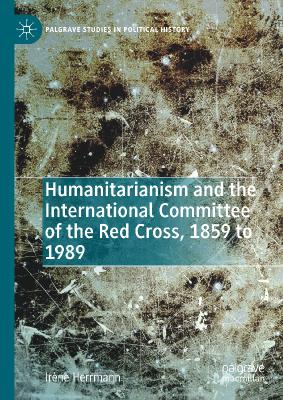
Humanitarianism and the International Committee of the Red Cross, 1859 to 1989 | 9.34 MB
Title: Humanitarianism and the International Committee of the Red Cross, 1859 to 1989
Author: Anna Scheithauer
Category: Nonfiction, Social & Cultural Studies, Political Science, Politics, History & Theory, History, European General, Modern
Language: English | 133 Pages | ISBN: 3963563346
Description:
This book explores how humanitarianism-often perceived as a selfless moral act-is in fact deeply entangled with political interests and structures of power. Centering on the International Committee of the Red Cross (ICRC), it asks: where did modern humanitarianism come from? Why was it embraced? How has it been practiced-and with what limits? And ultimately, with what discursive power? Spanning from the mid-nineteenth to the mid-twentieth century, the book is structured around these guiding questions. It examines the emergence of humanitarian ideals in Western contexts, the motivations-emotional, strategic, and political-behind humanitarian aid, and the practical and ethical constraints that shape its delivery. A central theme is humanitarianism as a ‘magnetic concept’: morally powerful yet ideologically flexible, allowing different actors to project their values and interests under a banner of compassion. Accessible and conceptually rich, this book is essential for those interested in humanitarian history, international relations, and the political uses of morality.
This book explores how humanitarianism-often perceived as a selfless moral act-is in fact deeply entangled with political interests and structures of power. Centering on the International Committee of the Red Cross (ICRC), it asks: where did modern humanitarianism come from? Why was it embraced? How has it been practiced-and with what limits? And ultimately, with what discursive power? Spanning from the mid-nineteenth to the mid-twentieth century, the book is structured around these guiding questions. It examines the emergence of humanitarian ideals in Western contexts, the motivations-emotional, strategic, and political-behind humanitarian aid, and the practical and ethical constraints that shape its delivery. A central theme is humanitarianism as a ‘magnetic concept’: morally powerful yet ideologically flexible, allowing different actors to project their values and interests under a banner of compassion. Accessible and conceptually rich, this book is essential for those interested in humanitarian history, international relations, and the political uses of morality.
DOWNLOAD: